Climate Case
Subtropical Urbanism
Project Overview
Climate Case: Subtropical Urbanism
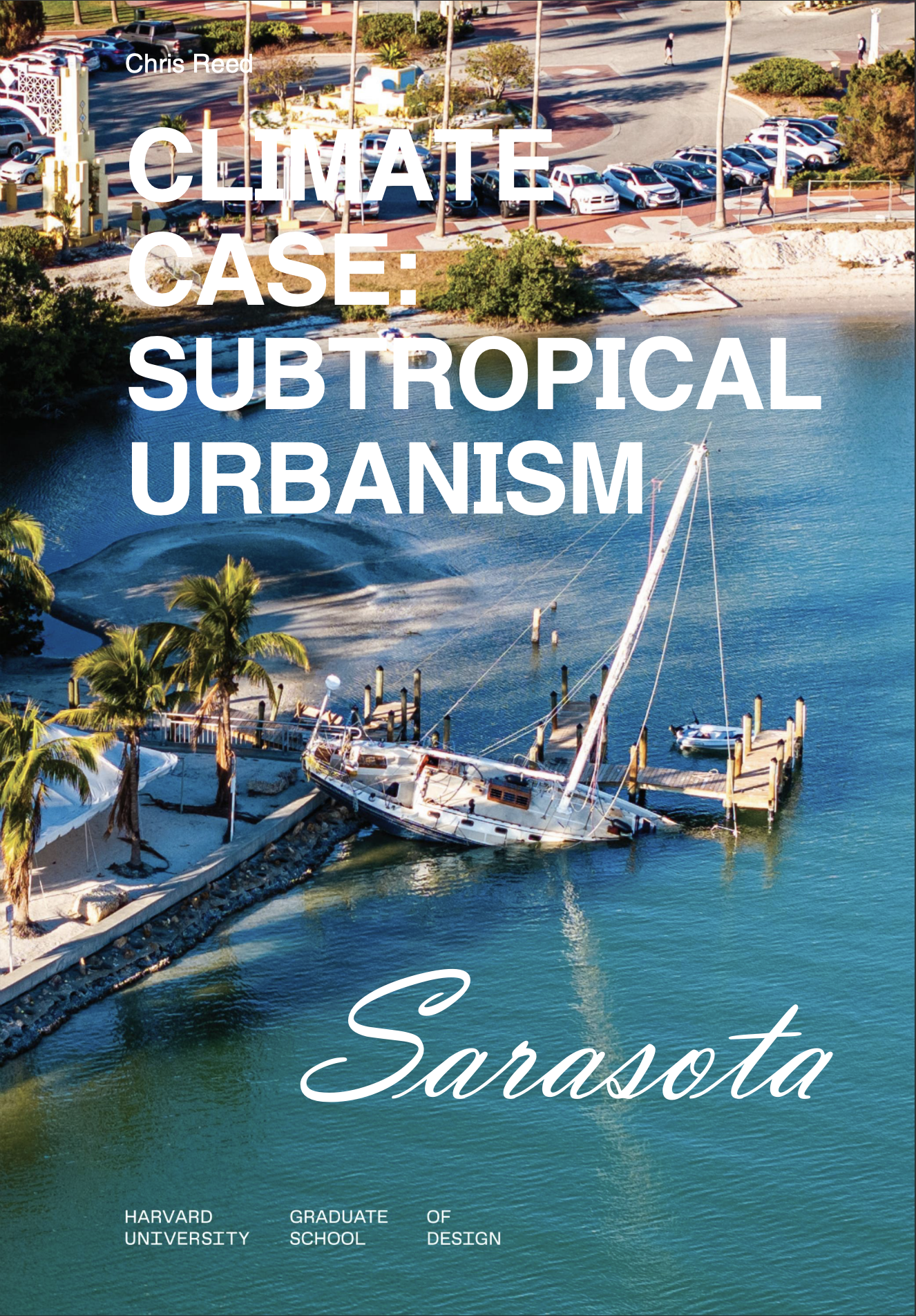
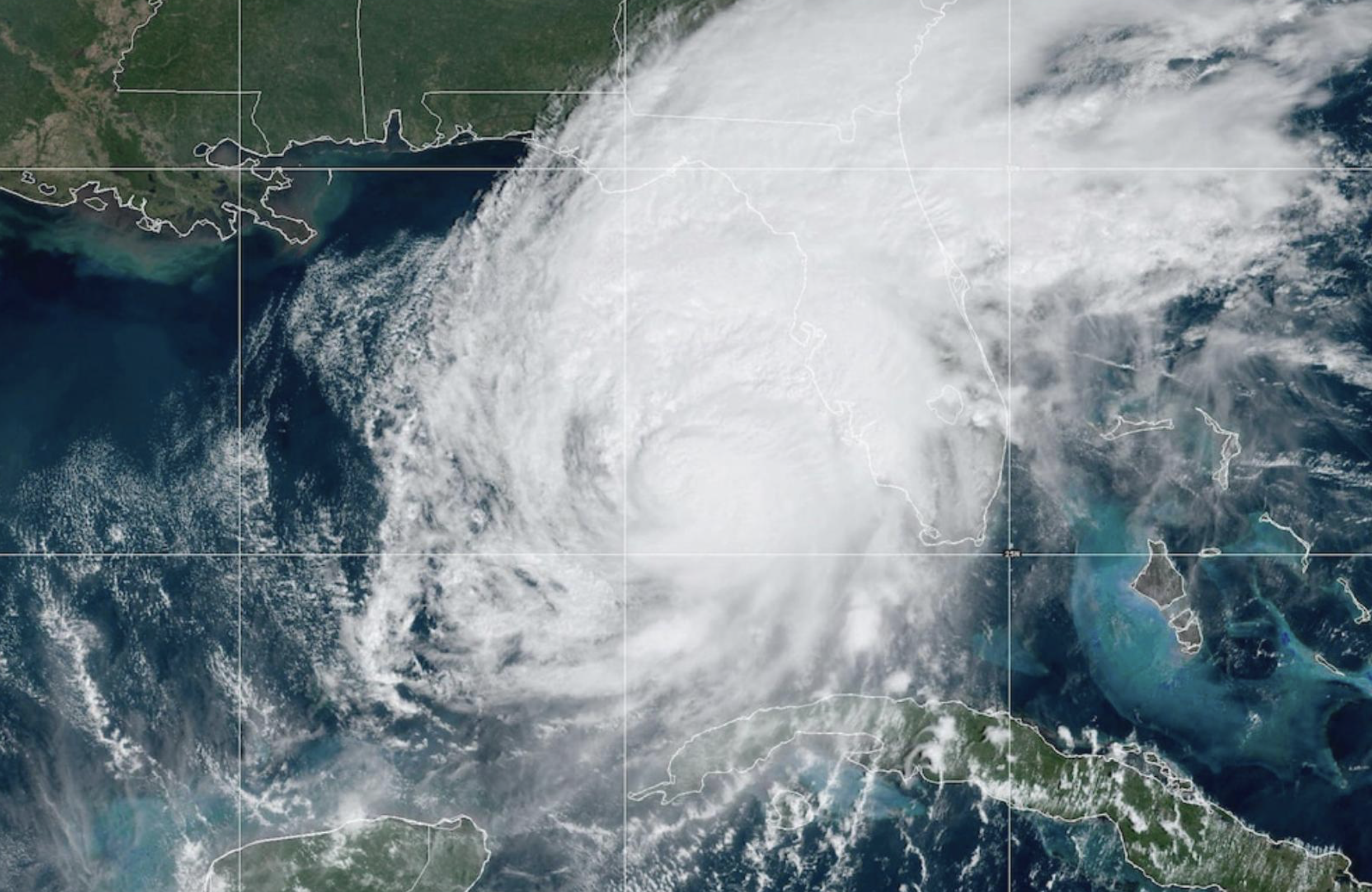
In the fall of 2024, two Hurricanes - Helene and Milton - made landfall directly on the City of Sarasota, Florida, causing flooding and extensive wind and water damage. This followed a series of tropical storms and near misses that produced flooding throughout the region at a frequency and intensity not previously seen. These storm events were a harbinger of a climate in a rapid state of change, with consequences yet to be fully known or experienced.
At the prompting of Architecture Sarasota, this project-based seminar was formulated to explore current and future climate threats in and around Sarasota and the Gulf of Mexico, including how historic urban development and land reclamation may have exacerbated them. The ensuing work focused on bringing to light underlying predevelopment conditions, ecologies and cultures that might point toward more holistic, multi-species approaches to human habitation; and speculations on a range of tactics that could allow for ways to live with and adapt to ongoing and projected changes in the environment. Students focused on the Downtown Bayfront, but drew from the rich array of natural and cultural resources throughout the region, including destination beaches, architectural legacies, and outdoor living.
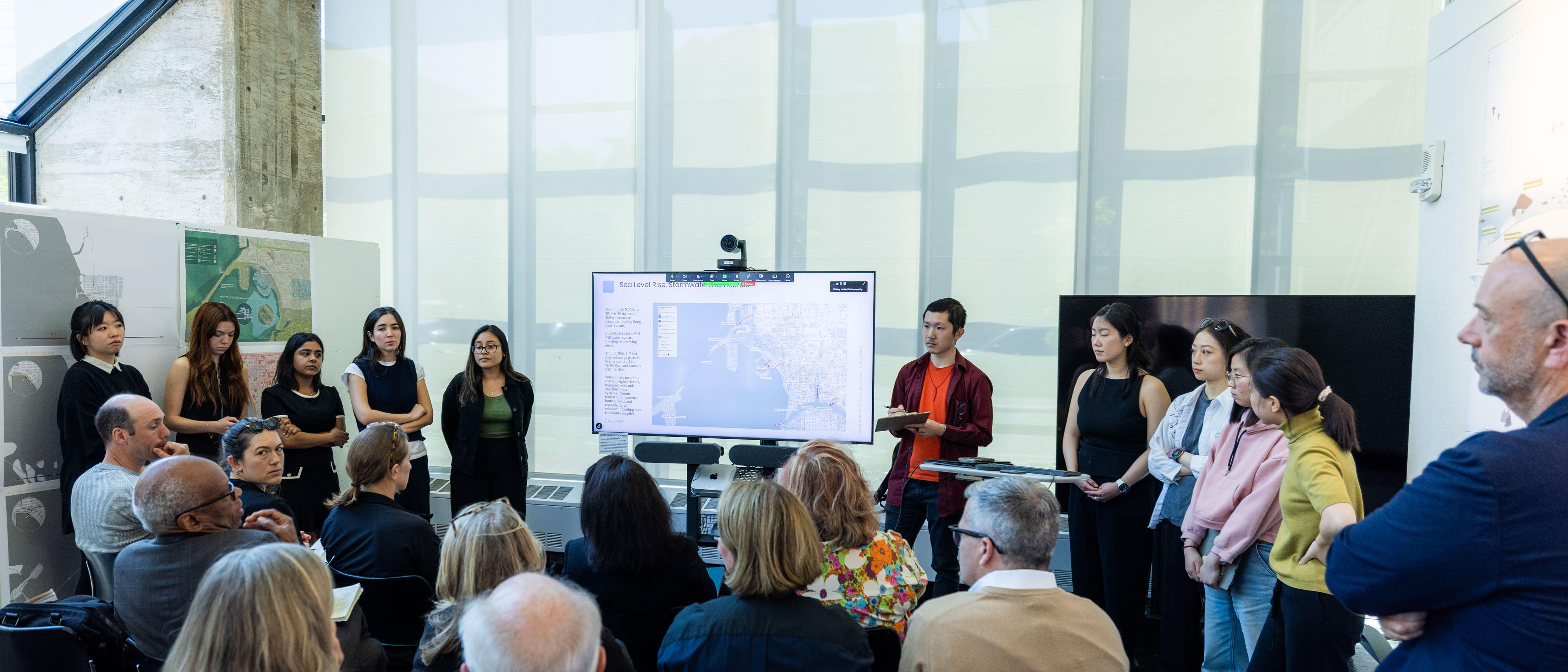
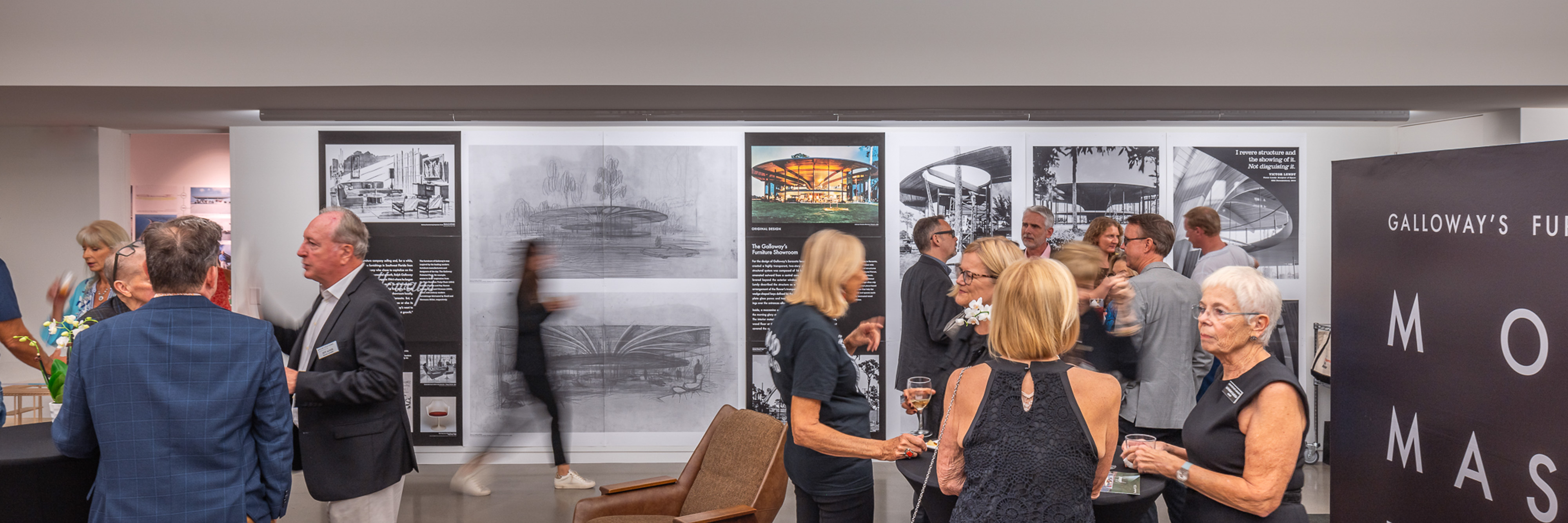
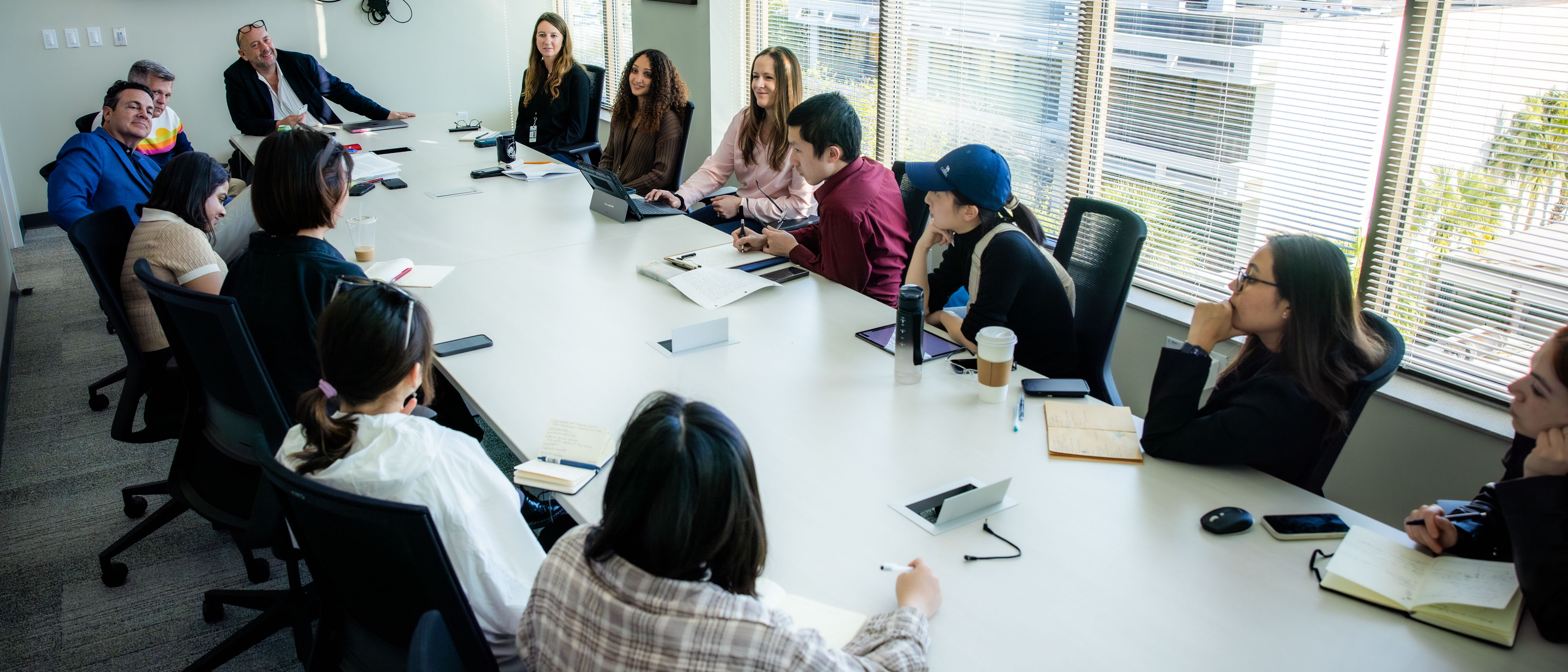
The seminar was run as a collaborative laboratory, with work sessions and research sharing incorporated into seminar meetings, and included a 3-day visit to Sarasota. It culminated with a review of student work that was attended by national experts on climate change, Sarasota leaders and climate advocates, and Harvard professors.
Impact
- Harvard Graduate School of Design students examined Sarasota’s downtown Bayfront as a climate case.
- Research translated climate risk, historic shorelines, ecology, and governance into public-facing design knowledge.
- The project connected local civic dialogue with national expertise in landscape, urbanism, and climate adaptation.
- Final toolkits proposed flexible strategies for resilience, public space, ecology, and coastal adaptation.
Seminar Organization
Seminar research and assignments were organized into three parts:
01 / Baselines
Initial research focuses on the issues at stake along the bayfront, the climate threats that exist and are projected, and the various urban histories that have impacted the conditions faced today.
02 / Touchstones
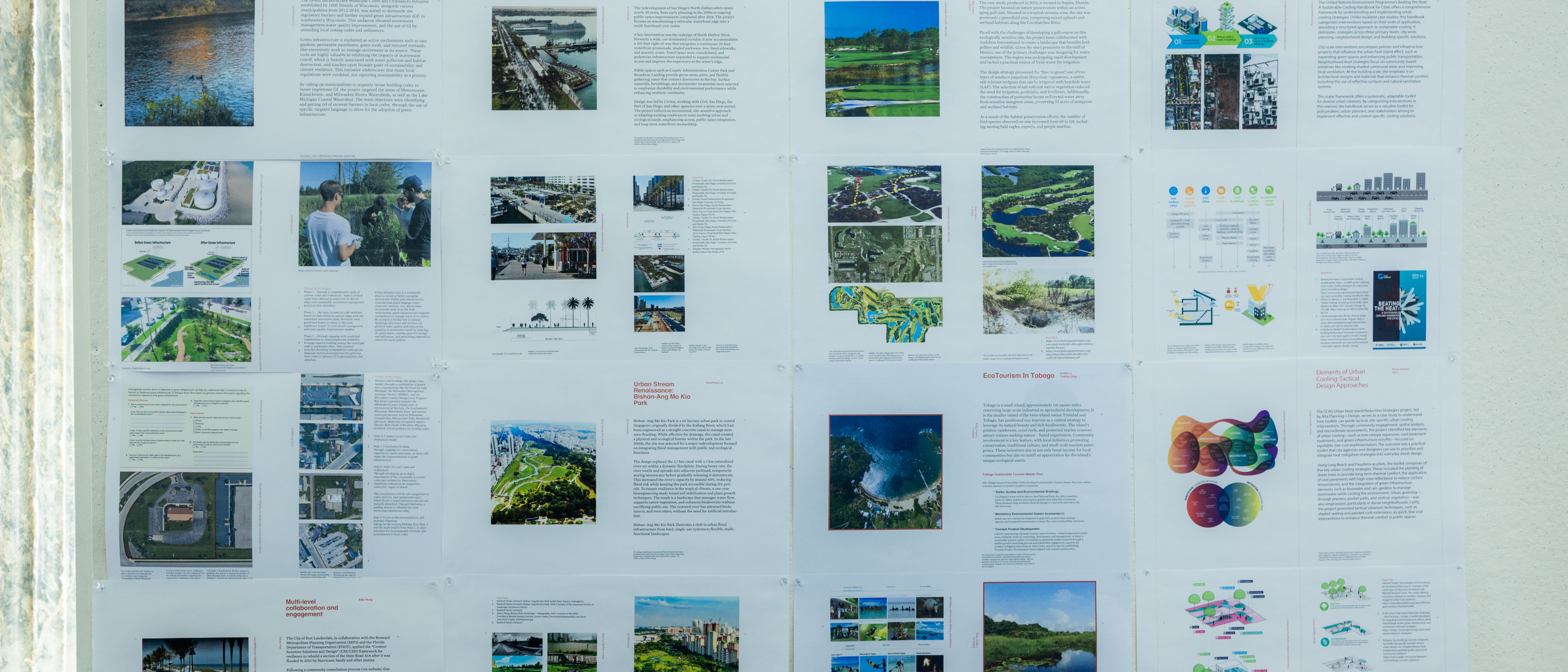
Interim research identifies precedents, case studies, and best practices on climate adaptation and resilient design from around the world.
03 / Toolkits
The final phase focuses on illustrative toolkits of potential adaptation strategies laying out alternate ways resilient design could be applied to address pressing climate challenges.
Research Graphics
The seminar used analytical drawings, mapping, and projective design studies to make climate risk, urban change, and adaptive futures more legible.
Essay
The Future of Sarasota’s Bayfront
Morris [Marty] Hylton III
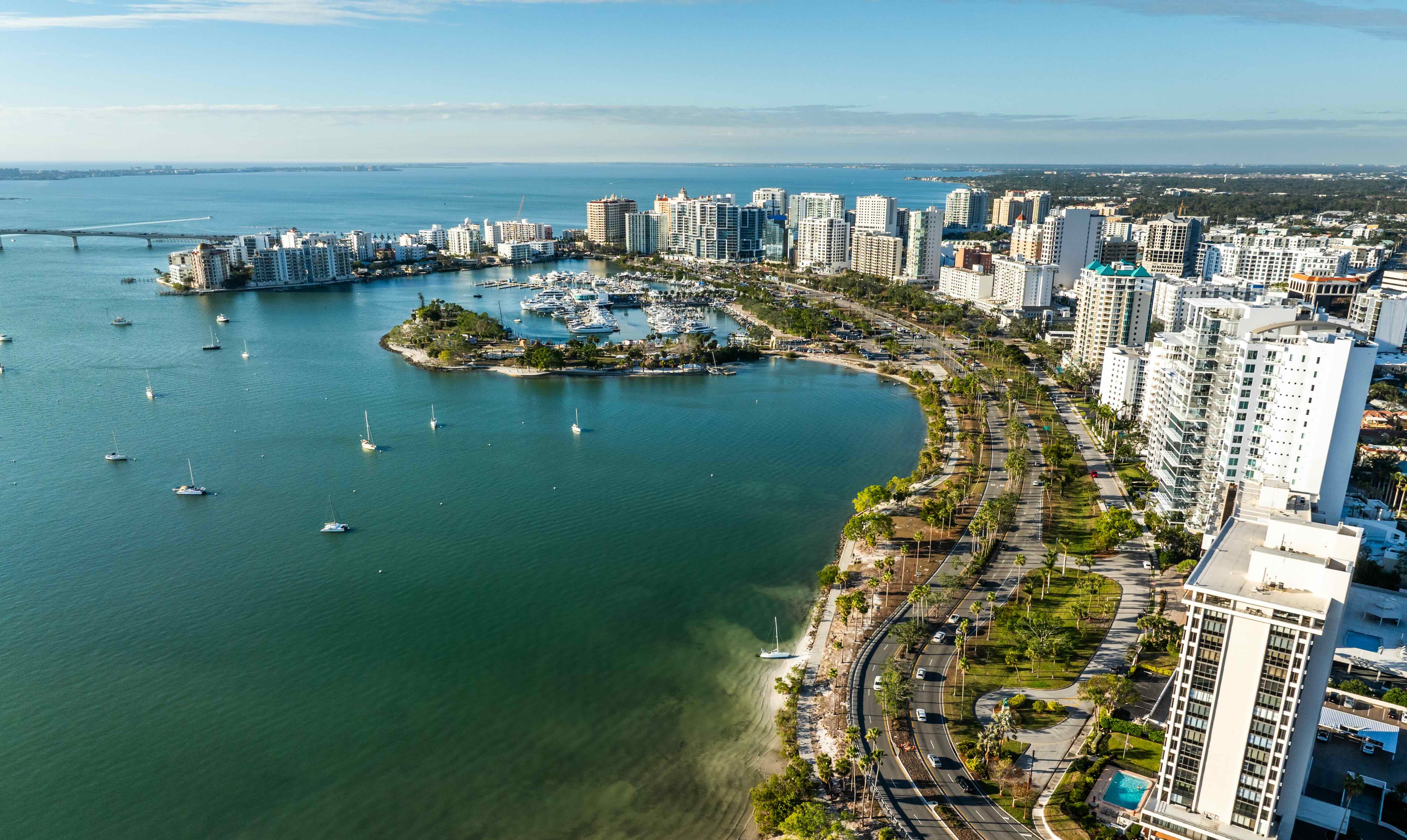
Sarasota’s downtown Bayfront is one of the city’s most utilized and iconic public spaces. It is a place where people walk, gather, celebrate, and reconnect with the water, serving as a shared civic front yard for residents and visitors alike. Few places in Sarasota are as visible or as beloved. Yet despite its constant use and symbolic importance, the Bayfront does not yet perform as well as it could. Shaped by decades of land reclamation, fragmented by infrastructure, and increasingly stressed by climate and coastal impacts, the landscape reflects both the city’s aspirations and its unresolved challenges.
The Bayfront’s physical form tells the story of Sarasota itself. What now appears to be a natural shoreline is largely a constructed edge, shaped by dredging, filling, road building, and shoreline hardening undertaken to support growth and development. These interventions reflect the priorities of their time: economic expansion, automobile access, and the desire to claim land from water rather than accommodate it. In this way, the Bayfront serves as a living record of Sarasota’s evolution from a small coastal settlement to a modern city.
That history has become increasingly consequential as climate conditions change. Rising sea levels, recurrent flooding, stronger storms, and extreme heat are now testing systems that were never designed to absorb them. At the same time, the Bayfront’s layered past, including its former shorelines, altered hydrology, and remnant ecologies, offers essential clues for how it might be adapted. Understanding how the Bayfront came to be is critical to understanding how it can become more resilient in the future.
The Harvard University Graduate School of Design study emerged directly from public dialogue. In 2024 and 2025, Architecture Sarasota convened a Downtown Sarasota lecture and public forum series focused on sustainable urbanism and the future of the city’s core. Six renowned urban experts were invited to participate. Each independently identified the downtown Bayfront as an area requiring attention.
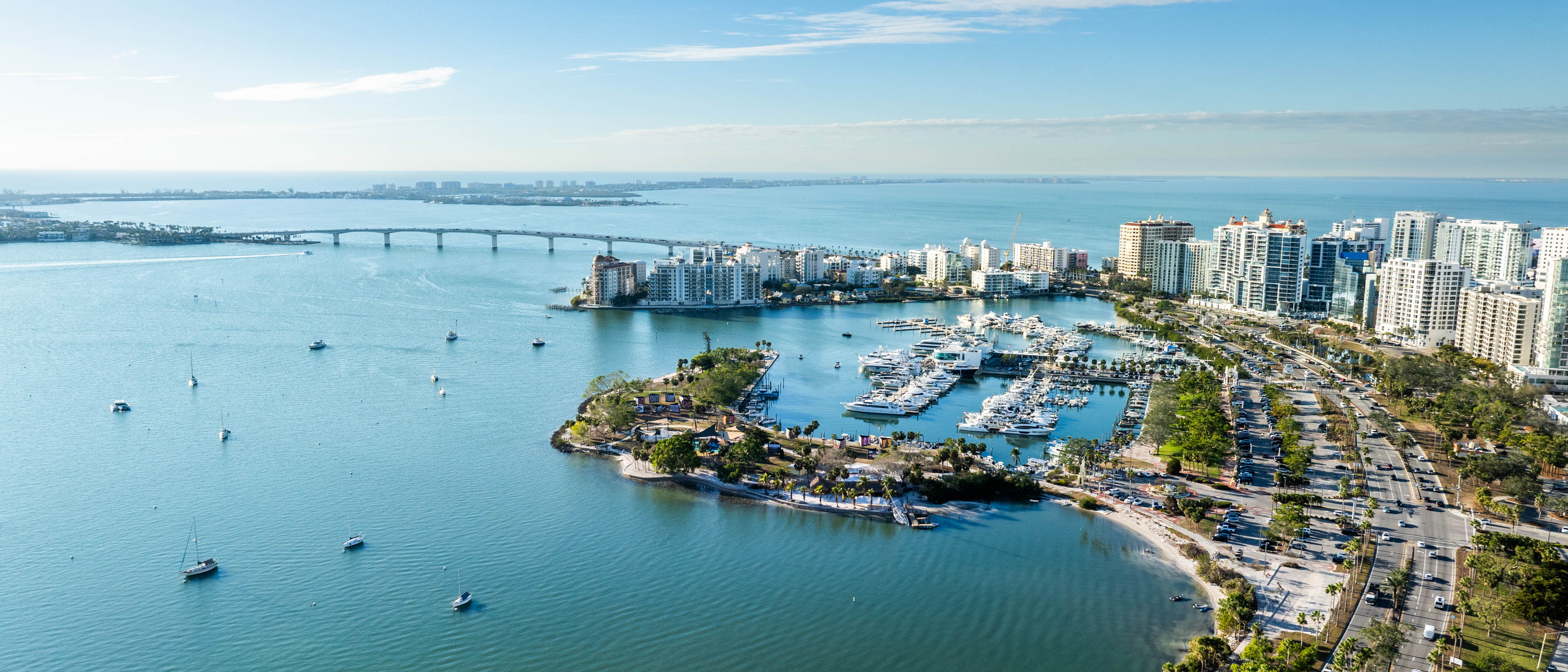
That unsolicited consensus became a turning point. Rather than leaving these observations as commentary, Architecture Sarasota chose to act, leveraging its role as a civic convener and translator of design knowledge to move the conversation from critique to inquiry. The decision to collaborate with Harvard GSD was intended to translate public discourse with rigorous research and to examine the Bayfront not as a single project but as a complex urban, ecological, and climatic system.
At the same time, the City of Sarasota moved forward with initiating a new Downtown Master Plan. These efforts unfolded in parallel rather than in isolation. The City Commission publicly cited Architecture Sarasota as a catalyst. Together, these actions reflect a broader shift: an understanding that climate adaptation, urban design, and public space stewardship require both institutional leadership and an engaged civic culture.
The Harvard GSD seminar, documented in the Climate Case: Subtropical Urbanism report, reflects a deliberate and strategic approach. Rather than advancing a single prescriptive solution, the work emphasizes education, transparency, and adaptability. Baseline research makes climate risk legible by mapping sea-level rise, stormwater pathways, heat stress, and biodiversity loss, while also revealing historic shorelines and predevelopment ecologies that inform adaptive futures. Global precedents demonstrate how cities can integrate flood protection, ecological restoration, and civic life. The resulting toolkits translate this knowledge into flexible, scalable strategies that can evolve over time.
This approach is deeply rooted in Sarasota’s design culture. The Sarasota School of Architecture established an internationally recognized legacy of innovation grounded in climate intelligence, treating sun, wind, and landscape as generative forces rather than constraints. That legacy set an expectation that design in Sarasota should respond directly to environmental conditions. Today, the challenge is to extend that ethos beyond individual buildings to the scale of urban systems and public landscapes, particularly along the Bayfront.
"The Bayfront’s history shows that Sarasota has never been static. It has repeatedly reshaped its edge in response to changing needs and values. The task now is to do so again, intentionally, transparently, and with climate realities firmly in view. By linking public discourse to research and research to action, Sarasota has an opportunity to transform its most visible civic space into a resilient public landscape that reflects the city’s past, serves its present, and helps secure its future."
Essay
Living with Climate:
The Sarasota Case
Chris Reed
"When you work with water, you have to know and respect it. When you labour to subdue it, you have to understand that one day it may rise up and turn all your labours to nothing."
"In geological time the waters will again cover the peninsula and again recede, only to return again. So let us cherish this moment of paradise, relish these years of sun and beauty, and do what we can to keep it pristine."
The world is changing around us, in ways that are both perceptible and imperceptible; the pace of climate change is quickening, and its ongoing effects and impacts will be dramatic. Sea level rise, storm surge, inland flooding, more frequent and intense rain- and wind-storms and hurricanes, rising temperatures, lack of shade, increasing frequency and severity of drought and wildfire, decreasing biodiversity–all are significantly impacting the ways in which we live and the costs that are to be borne due to their ongoing and multiplying effects.
The threats are real, and both short- and long-term impacts are daunting. But there is opportunity here, and a number of possibilities and questions emerge: How can we adapt to these changes in ways that respond to the dynamics at work and to the benefit of the environment? How can we put forward strategies that better protect people and places by leaning into the threats and forces at work, rather than trying to resist them? How do we do so by improving quality of life for both people and for the creatures that live among us? And how do we make change in thoughtful and knowing ways that might contribute to a slowing or reversal of the broader climate conditions in play?
The work focuses on the bayfront of Sarasota, Florida, a subtropical urban center noted for its cultural institutions (Ringling Museum, Architecture Sarasota, etc.), its architectural legacies (in the form of the Sarasota School of Architecture), stunning beaches, and outdoor lifestyle. Sarasota is known more recently due to the direct impacts it has suffered from a series of climate-induced storms. The city was hit by two hurricanes (Helene and Milton) in the fall of 2024, in addition to a number of other unprecedented tropical storms and flooding events throughout the two years prior. Temperatures are rising, and most of the core parts of the city have been declared heat emergency zones. The impacts of all of these are being felt now, and will continue to be felt years into the future.
Students with backgrounds in architecture, landscape architecture, urban design, planning, and design studies explored, analyzed, and documented (in text and drawings) a wide range of topics, impacts, and implications, including the following:
- ■Current and future climate threats and impacts: sea level rise, storms, stormwater, wind, heat, biodiversity loss (land, water)
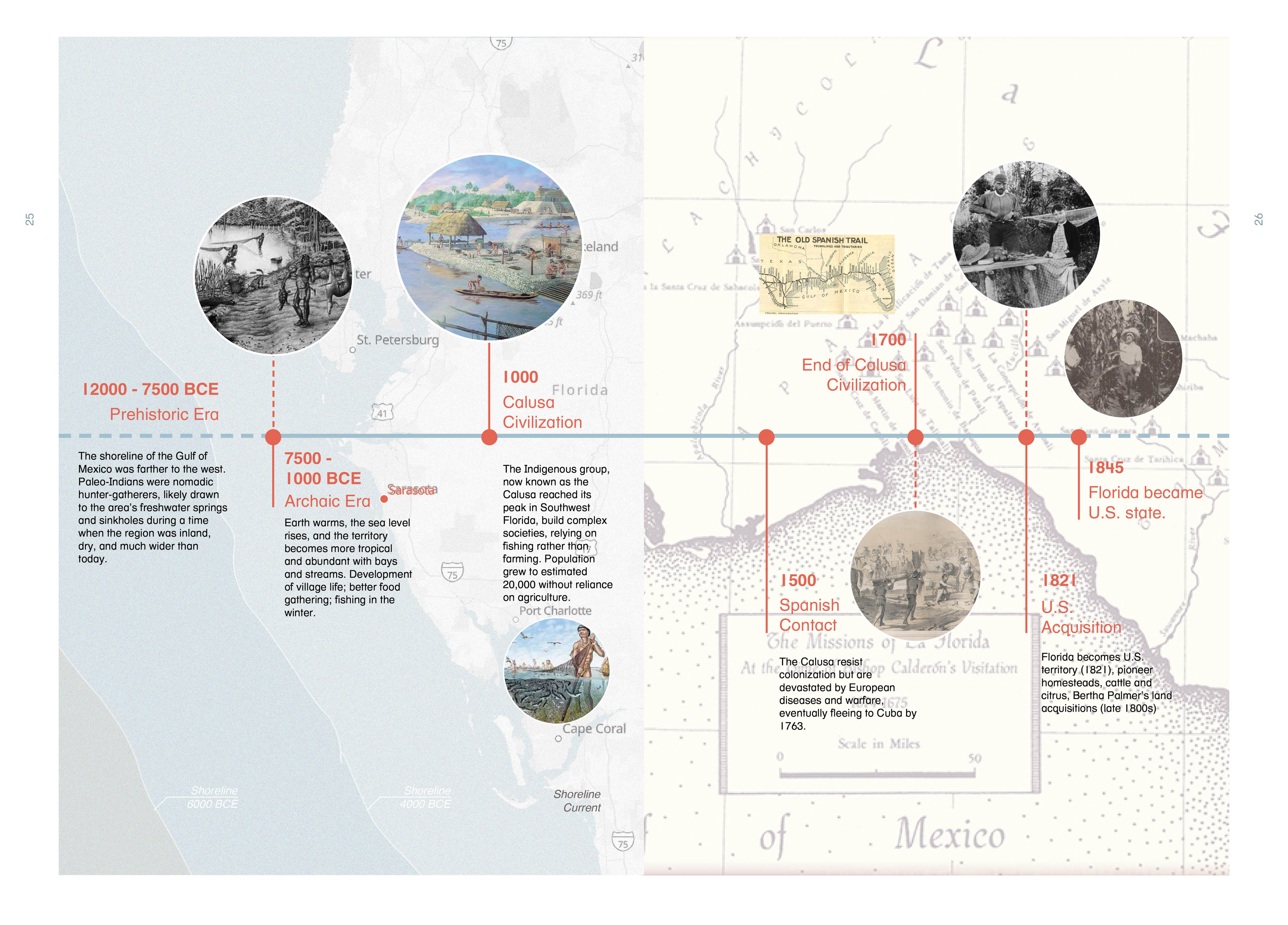
- ■Indigenous history, settlement patterns, historical shorelines, and urban development
- ■Resilient ecological and engineering practices
- ■Governance issues, policy, jurisdiction, regulations, and stakeholders
- ■Documentation and communication strategies for conveying the threats and possibilities to wide public audiences
The work of the seminar is collated herein, with the hope that it can propel conversations about climate change, resilience, and adaptation throughout Sarasota, including with city and county leadership, non-profits like Architecture Sarasota, and concerned citizens and advocates.
Site Visits and Immersion
Students travelled to Sarasota for a 3-day series of site visits and meetings with City of Sarasota leaders, The Bay Park, The Marie Selby Botanical Gardens, and even a few residents.
The team visited significant architectural works by Paul Rudolph and his many contemporaries, which have become known as the Sarasota School of Architecture and embody a distinct sense of indoor-outdoor living. The immersion included the region’s beaches and eateries as part of a full introduction to city culture.
Final Review
The semester culminated with a review of student work that was attended by national experts on climate change, Sarasota leaders and climate advocates, and Harvard professors.
Seminar Credits
Studio Instructor
Chris Reed
Teaching Assistant
Harish Krishnamoorthy
Students
Rimshi Agrawal, Lyna Boulgamh, Romina Cordova Grados, Yushuo Ding, Freya Fu, Hanzhang Lai, Esther Li, Rilia Li, Allen Wang, Kiara Wong Siu
Final Review Critics
Kira Clingen, Steven Cover, Maurice Cox, Candace Damon, Katherine DeSousa, Howard Davis, Sherry Davis, Anne Essner, Morris Hylton III, Purnima Kapur, Ryan Lester, Catherine McCandless, Max Robert Piana, Amy Whitesides
Site Visit Tour Guides
Diana Shaheen, The Bay Sarasota; Megan Suau and Karl Bernhard, Sweet Spackman
Seminar Presenters
Kirk Bosma, Woods Hole Group; Shanna Challenger, Environmental Awareness Group; Kira Clingen, Harvard GSD; Candace Damon, HR&A; Rosetta Elkin, Pratt University; Melissa Hew, ARCADIS; Jeffrey Huber, Brooks Scarpa Architects; Morris Hylton III and Kristine Ziedina, Architecture Sarasota; Nina-Marie Lister, Toronto Metropolitan University; Gena Morgis, SCAPE; Trenton Strackbein, Kimley Horn; Amy Whitesides, Harvard GSD
Sharing the Toolkits
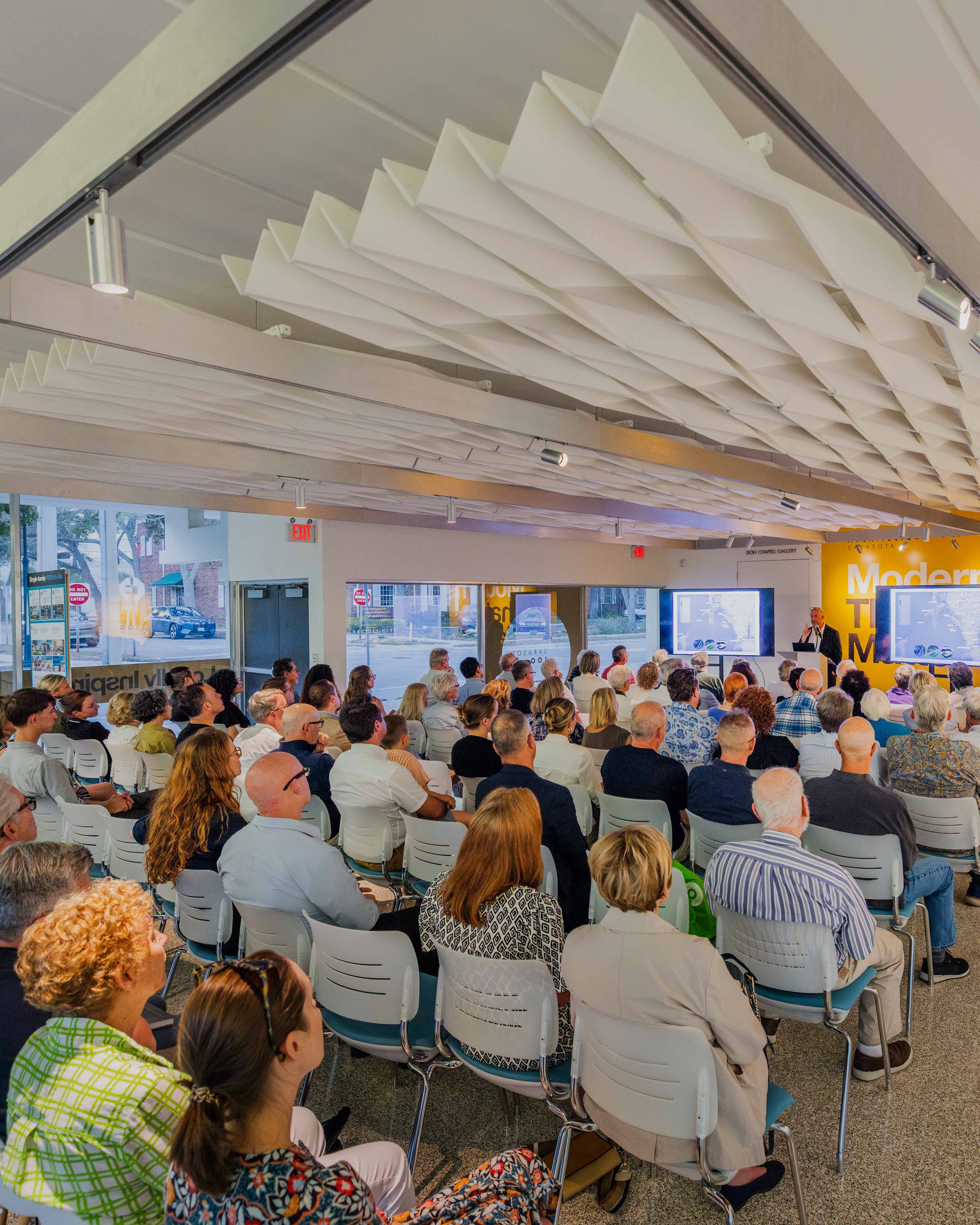
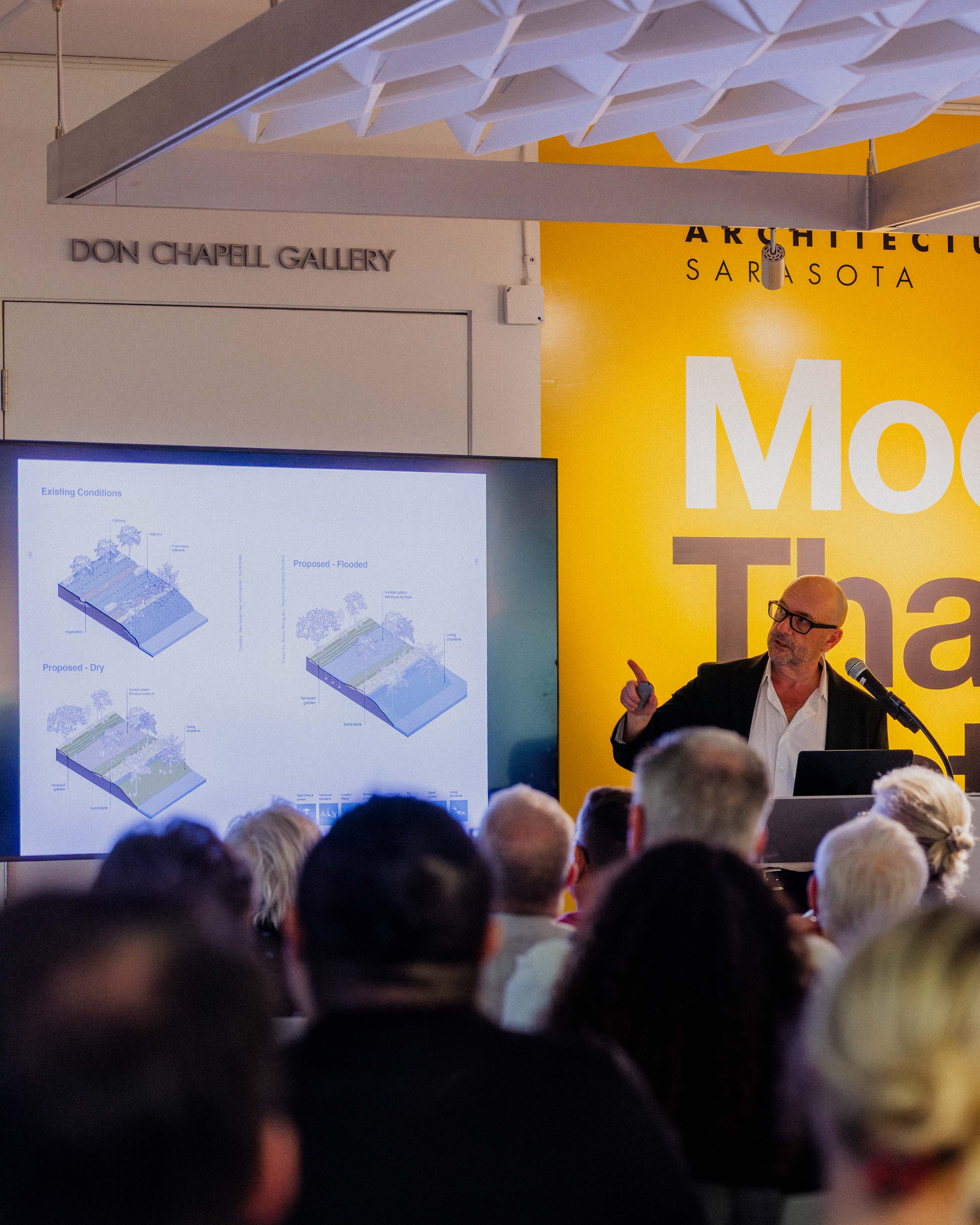
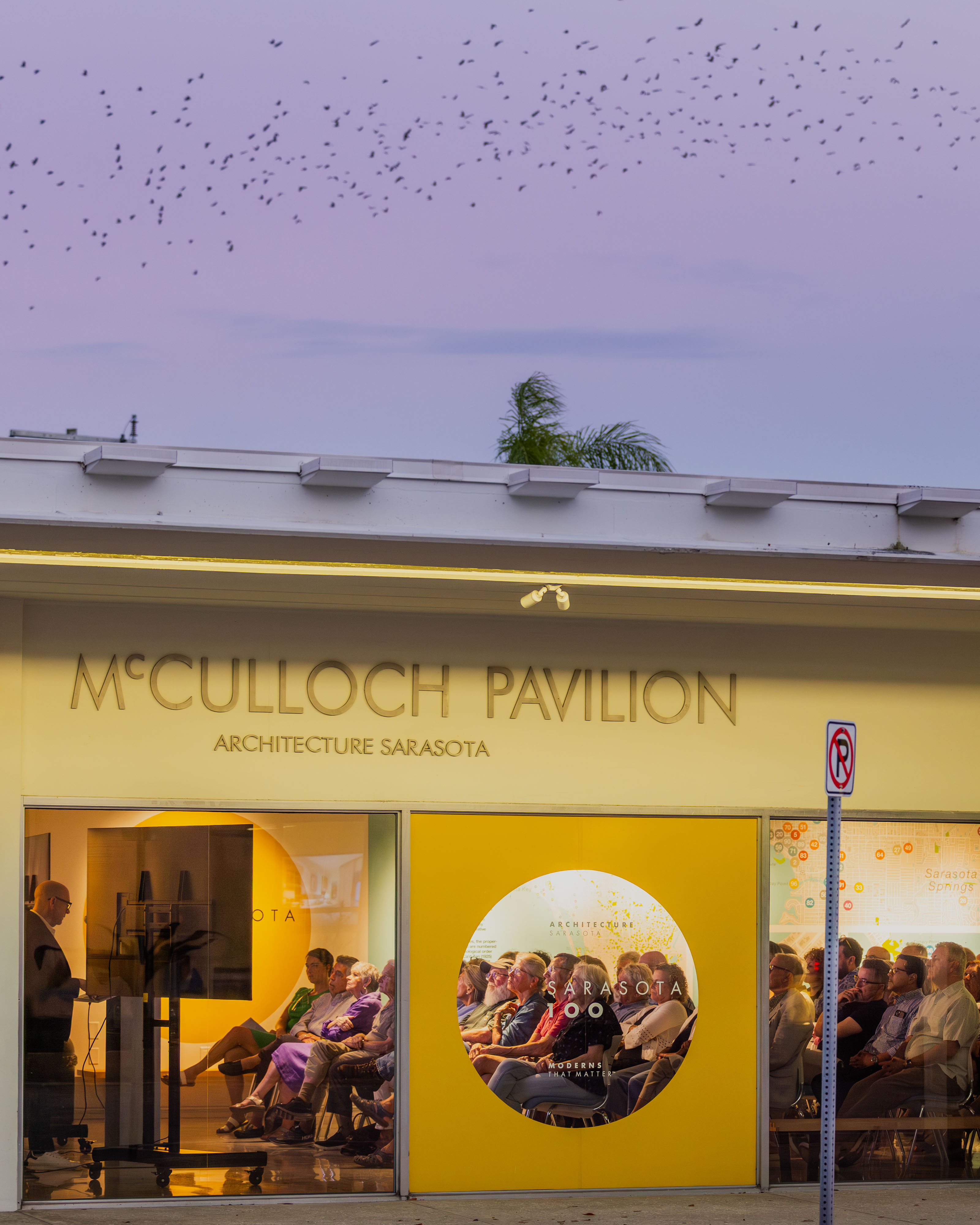
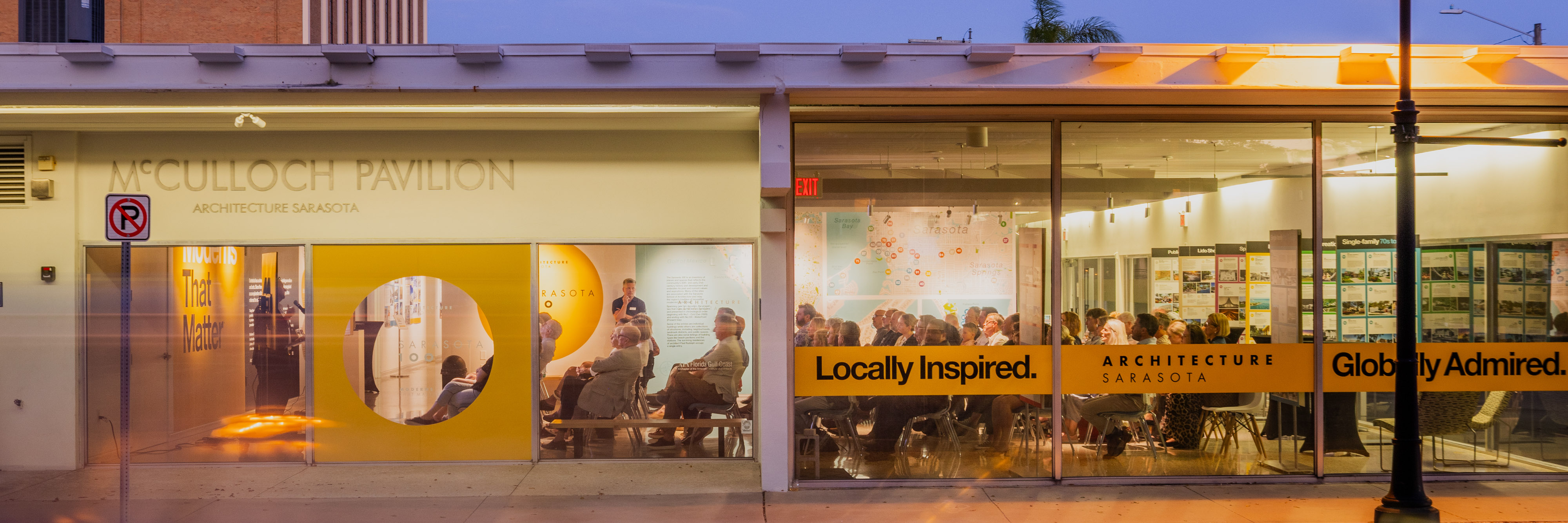
On Tuesday, March 3rd, 2026, Chris Reed presented the results of Sarasota’s Bayfront and shared design toolkits for reimagining this vital civic space through sustainability, climate awareness, and coastal resilience.